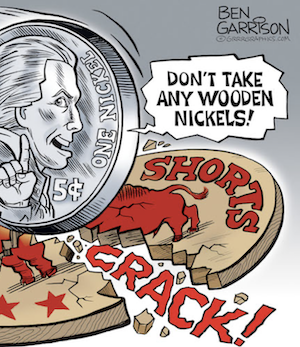
When I was a kid, I searched for empty Coke bottles that could be found discarded along roadsides. In the 1960s they were worth a couple of cents, and so I gathered up what I could carry and cashed them in. I quickly spent what I earned on candy.
It wasn’t until I was around 10 years-old that I saw the U.S. cent worthy of being collected. Specifically, I went after old wheat cents that were mostly culled from my mom’s purse. There was a coin shop in town, and I bought a cheap, blue cardboard folder in which I inserted my finds. I even bought a few wheat cents from the coin store to fill out part of the book, but the 1909 S-VDB cent was something unobtainable. After a few years I forgot about collecting pennies… Continue reading
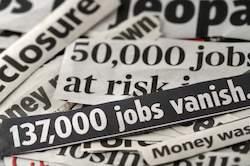 US employers announced far fewer cuts in November as companies tried to navigate a messy economic backdrop — tariffs, softer demand, and vibes-based uncertainty.
 Americans the general sense of where the real American economy lies and the dynamics that suggest no matter how much the Trump administration or any successive administration props it up, an accounting is coming, and it most likely means the inevitable collapse of the U.S. economy. It won’t take much of a hiccup to cause a massive economic disruption to be accompanied by extreme social upheaval and violence, especially given all we have witnessed from our illegal alien “guests” – guests hell – damned foreign takers and looters.
 Think of the cattle auctioneer’s chant as a prayer. To the untrained ear, it’s nonsense, a stream of words compressed beyond recognition. If you know what to listen for, phrases emerge from the hum and buzz: Will you go four? Will you give five? The job of the auctioneer is to whip bidders into a frenzy, selling cows, heifers, bulls, and steers at the highest price possible through the power of constant supplication.
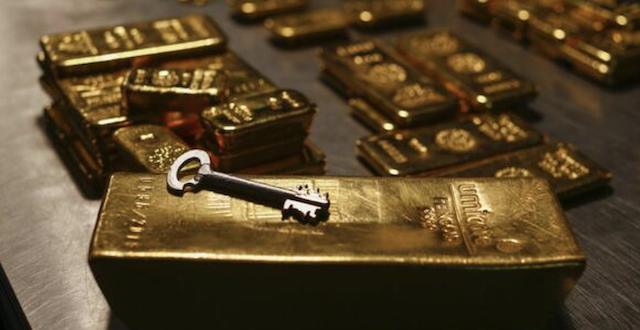 Gold prices spiked in October, reaching a new record high of over $4,300 per ounce. And while they’ve declined slightly since that point, the yellow metal is still selling at significantly higher prices than just a few years ago.
 There’s a $38 trillion time bomb ticking in the heart of the American financial system, and in 2026, it’s going to detonate, not with the slow burn of a typical recession, but with the devastating speed of a controlled demolition.
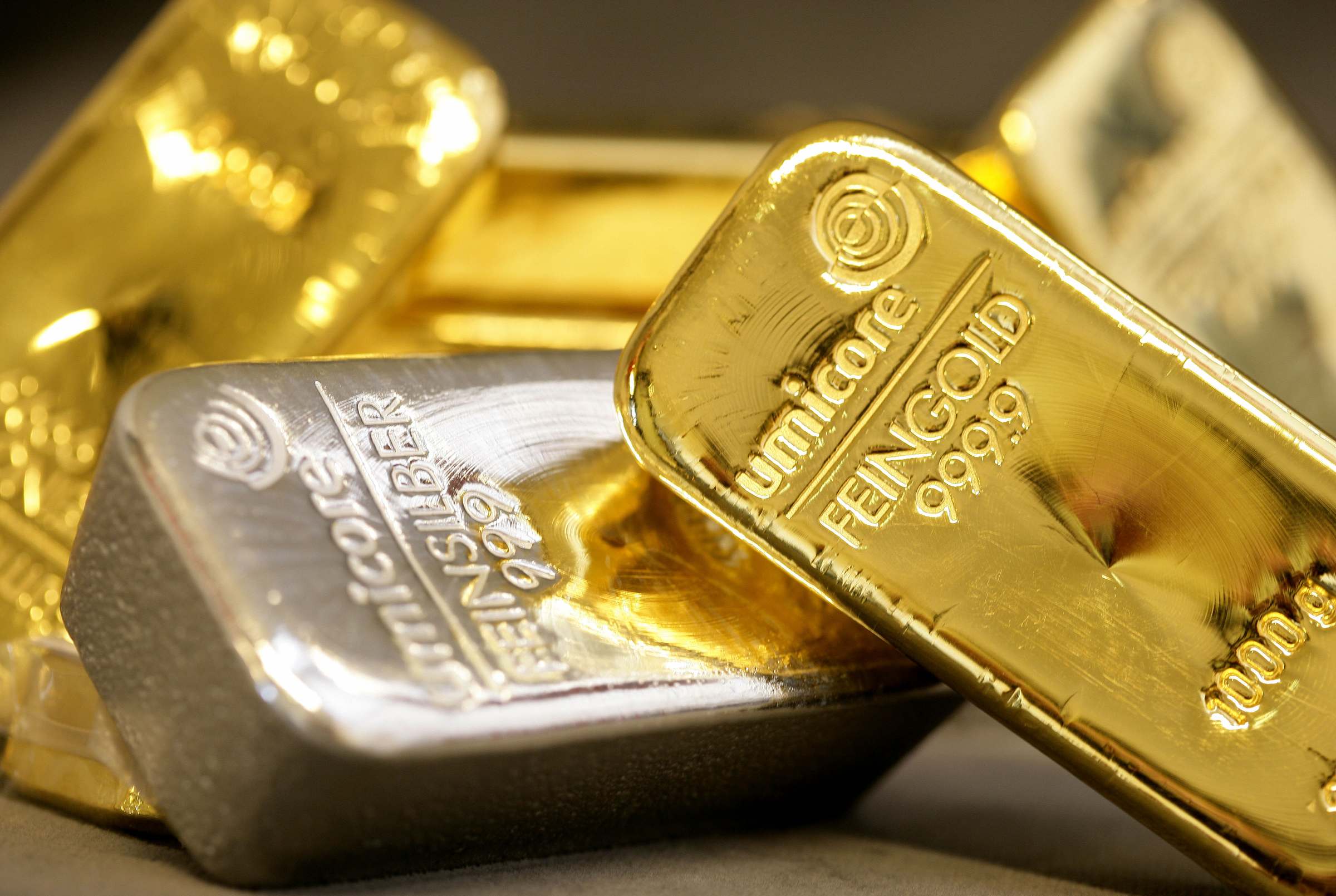 Why are seasoned investors bidding farewell to gold and embracing silver?