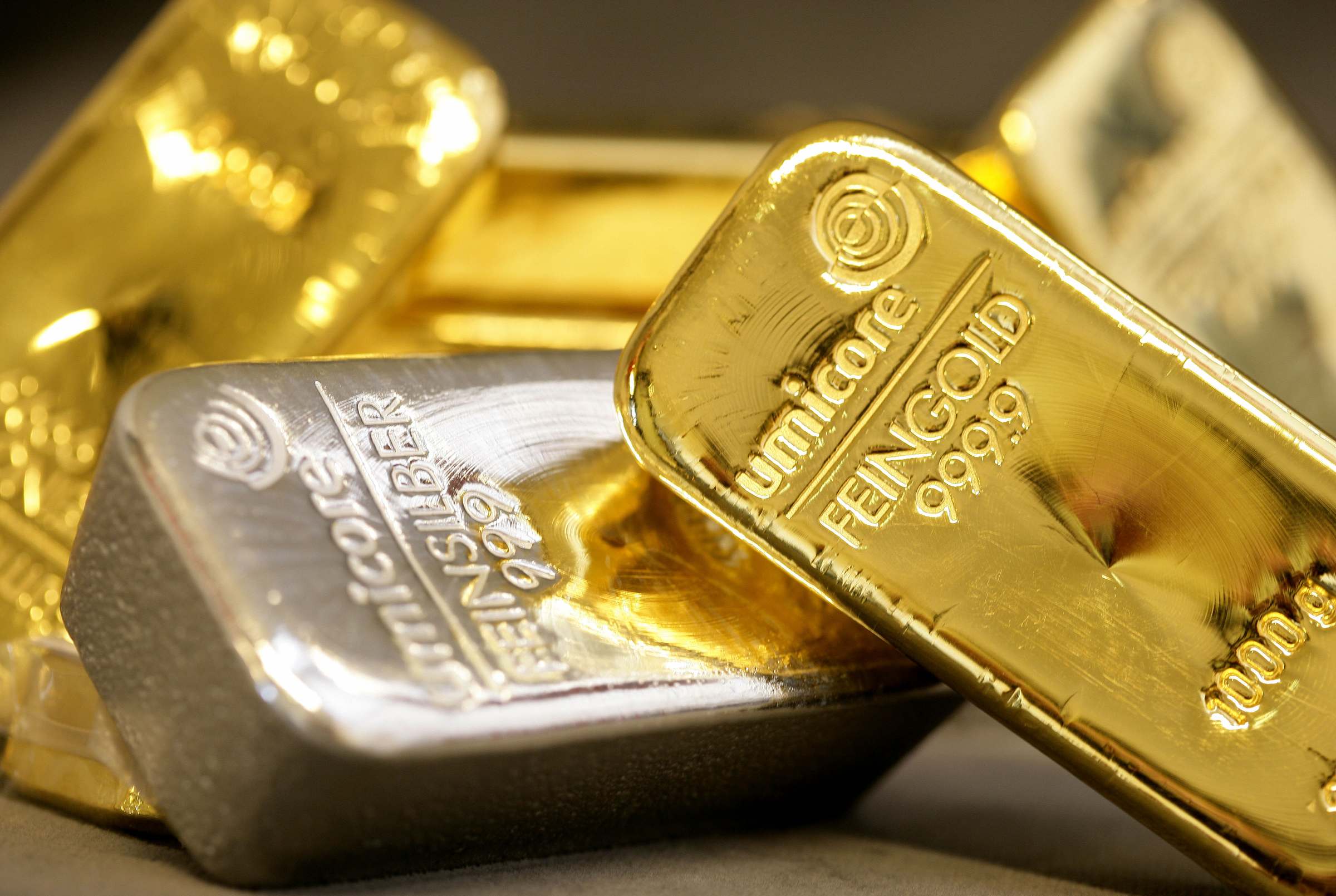
 Historically, gold has been seen as a more valuable investment than silver, with 24% of Americans saying gold is the strongest investment.
But that doesn’t mean silver isn’t without its benefits. While it can be seen as volatile, particularly over a short period, silver is often considered an inflation-proof option for investors looking to boost their bank accounts.
To get to the facts on silver and whether it’s a wise investment, here are 14 considerations before you add this shiny commodity to your portfolio. Continue reading
 US President Dwight D. Eisenhower was absolutely terrified of inflation.
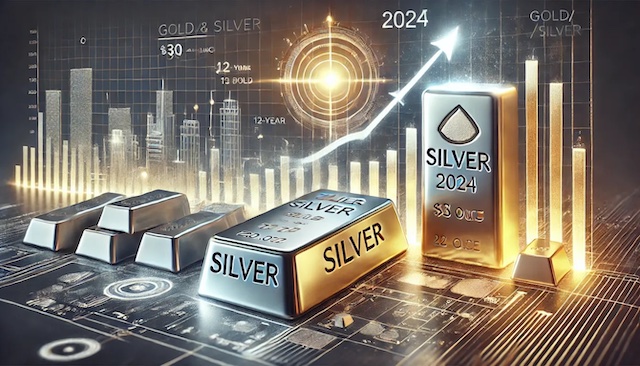 Last month, I discussed the potential for silver to break out of a well-defined symmetrical triangle pattern, and as of Wednesday, July 2nd, the price has officially done so. Following this breakout, I am now setting a short-term price target of $39. While a 5.5% price increase may not thrill the broader investor community, it could present a profitable swing trade for option traders. Additionally, I have a long-term price target for silver that investors may find worth considering.
 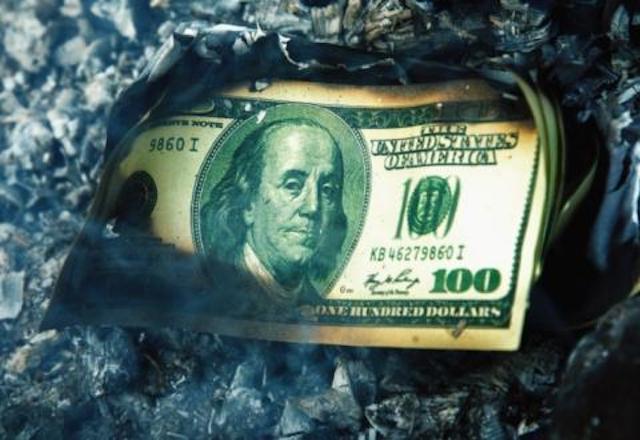 Why can’t we just be objective about the economic numbers? When Joe Biden was in the White House, many Republicans (including Donald Trump) used the word “fake” to describe the economic numbers that the federal government was putting out, and as I documented extensively throughout the Biden administration, the rosy economic numbers that we were getting from the federal government certainly diverged greatly from reality.
 It looks like a real sale from a big brand, until your credit card details are stolen.
 It was September 29, 2021 – nearly four years ago – that then House Speaker Nancy Pelosi held a press conference about their $3.5 trillion “Build Back Better” spending bonanza.
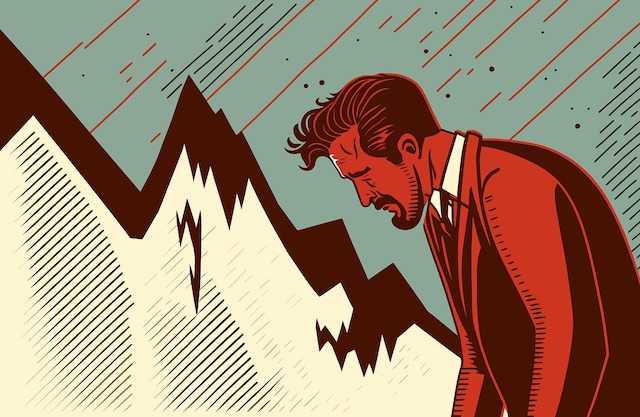 While everyone has been preoccupied with the war in the Middle East and the anti-ICE protests going on around the nation, economic conditions in the U.S. have continued to deteriorate. The housing market is in abysmal shape, consumer spending is down and layoffs are way up.