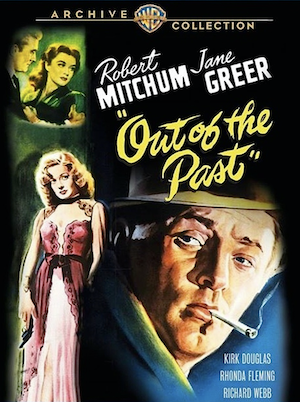
 It feels like a silly thing to say, but board games are not real life. Playing a few rounds of Operation does not make you a surgeon. Unlike in Battleship, real-world battleships do not sit still on a ten-by-ten grid. Continue reading
 Growing optimism that the U.S. economy can avoid a severe recession even as the Federal Reserve maintains its hawkish bias continues to weigh on the gold market as prices trade near a six-month low.
 The price of a McDonald’s hamburger in the United States has inflated 3.75 percent annually over the last seventy years. McDonald’s has grown from a tiny hamburger stand in Des Plaines, Illinois, to the second largest fast-food chain on earth. Scale economies alone (never mind process and productivity improvements) should’ve allowed the price of a burger to decline materially over this period.
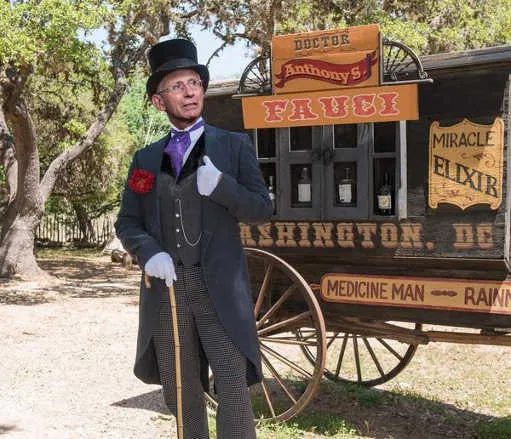 Little by little, pharmacy benefit managers (PBMs) are getting their comeuppance and American consumers are getting their due when it comes to the cost of prescription drugs.
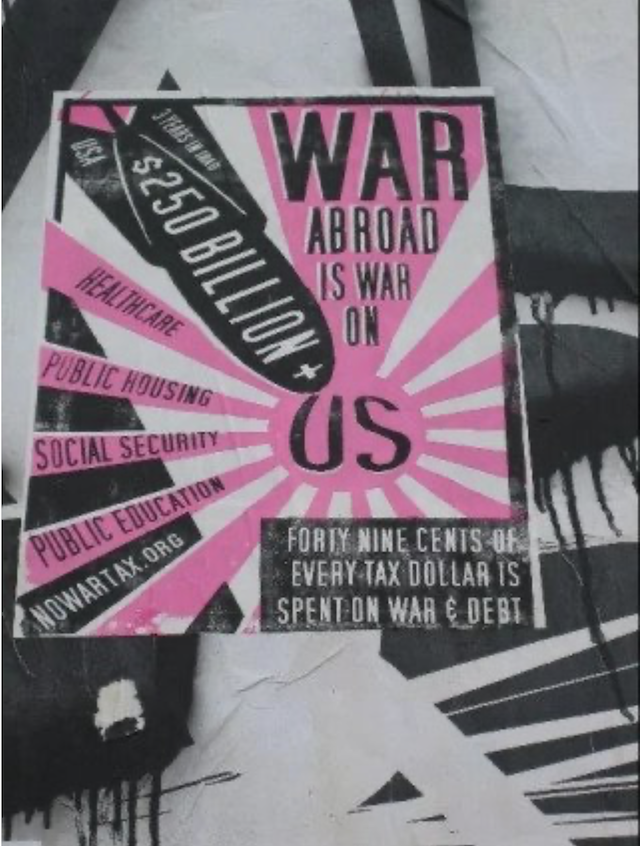 Titled “
 It doesn’t matter how much is thrown at the gold market; despite its recent price performance, it remains a highly resilient asset.
 Sentiment in the gold market is slowly shifting back to the bullish side as the precious metal’s resilience in the face of rising bond yields shines through. However, some analysts are warning that there is still insufficient momentum to push gold prices through critical resistance levels.
  A month ago, the fake debt ceiling fight ended and Congress suspended the federal government’s borrowing limit for two years. Since the debt ceiling deal, the US Treasury has added a staggering $851 billion to the national debt.
 When Charles Ponzi’s investment opportunity to sell international postage stamps was exposed to be a scam in 1920, its basic premise would forever be associated with the man’s name. A
 ~ Search ~
-
-
Kettle Moraine, Ltd.
P.O. Box 579
Litchfield Park, AZ 85340
602 - 799 - 8214
KettleMoraineLtd@cox.net -
~ NOTICE OF COPYRIGHT ~
The original work on this site is licensed under a Creative Commons Attribution-Noncommercial-No Derivative Works 3.0 US License.
We make every attempt to respect the rights of others. If you feel that something here has infringed your work please let us know and we will correct it immediately. It is not always easy to determine the status of material posted to the Internet with regard to fair use and public domain.
~ FAIR USE NOTICE ~
This site contains copyrighted material the use of which has not always been specifically authorized by the copyright owner. We are making such material available in our efforts to advance understanding of environmental, political, human rights, economic, democracy, scientific, and social justice issues, etc. We believe this constitutes a ‘fair use’ of any such copyrighted material as provided for in section 107 of the US Copyright Law. In accordance with Title 17 U. S. C. Section 107, the material on this site is distributed without profit to those who have expressed a prior interest in receiving the included information for research and educational purposes. For more information go to: http://www.law.cornell.edu/uscode/17/107.shtml
Copyright Kettle Moraine, Ltd. 2017 – 2026