What you know you cant explain, but you feel it. You’ve felt it your entire life. Theres something wrong with the world. You dont know what it is, but its there, like a splinter in you mind, driving you mad. ~ Morpheus

“If I were a rich man,
Daidle deedle daidle, Daidle daidle deedle daidle dumb…”
By the time you finish reading this article, you may discover that you have many more questions than answers. When I decided to write this article, my objective was not to provide answers but rather to demonstrate to you that many presupposed airtight beliefs may actually be littered with holes. Rather than to provide answers that may bring curiosity to a halt with the end of this article, my objective is to have inserted many more splinters in your mind that drive you to seek more answers, to question the beliefs you already question, and to validate the truths you already know. Continue reading

 We are coming to the point in the United States when even the US government will no longer be able to borrow at very low long-term rates. That point is a few years off, and we have time to change paths; but as I have shown in previous letters, the longer we wait to get the deficit under control, the fewer choices we have and the more painful they are. NO country can run deficits the size we are currently running, along with unfunded deficits over four times the size of the economy and a growing overall debt burden, without consequences. At some point, investors in bonds will start wondering exactly what the process is by which they will be repaid. And what will the value of those future payments be?
 Gold will be the asset to beat in 2021, according to Bloomberg Intelligence, which sees the precious metal outperforming U.S. stocks.

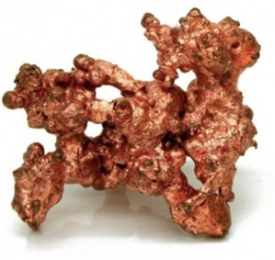 In 2018, before the trade war between the US and China put the boots to copper demand, and covid-19 mine closures/ abandoned expansion plans crimped supply, we made a bold prediction: that copper supply is NOT going to be able to keep up with demand in the long-term. Here’s what we wrote, in