A global currency is not a new idea, but it may soon get a new lease of life
~ Foreword ~
In 1998 this Rothschild owned publication claimed we will be under a global currency by 2018. They also correctly predicted India going “cashless”. I think the global banking elite and the NSA/technocrats are behind Bitcoin/cryptos and the blockchain. An accepted “digital currency” is all they need, and people are FLOCKING to the idea, because of the promise of great profits. ~ Ed.
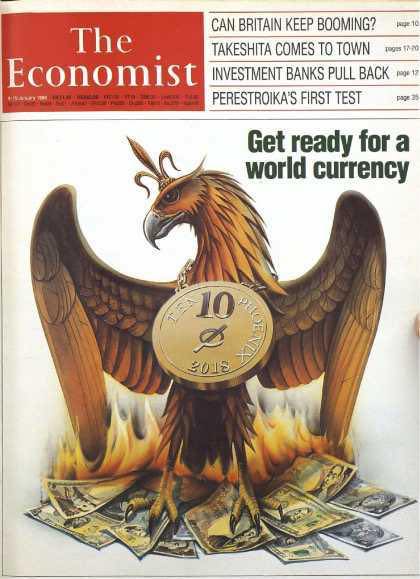 IN DIFFICULT times, people are allowed, even encouraged, to think the unthinkable. Some of the economists who propose capital controls as a remedy for recession in Asia claim to be doing this—but they are flattering themselves. Unthinkable? Malaysia just did it. Dozens of countries still use capital-account restrictions. And it is a cliché of the orthodox “sequencing” literature that a variety of such controls should be retained until other reforms are complete. Really, to think the unthinkable, you have to be bolder than this.
So here is an idea: global currency union. Let nobody call it boringly feasible, or politically expedient. Yet, like all the best unthinkable ideas, it has more going for it than you might think—in principle, at least. The idea is not new. Richard Cooper of Harvard University proposed a single world currency in Foreign Affairs in 1984, and he was not the first to think of it. It seemed an outlandish idea, and still does. But much has happened lately to make it worth a moment’s thought. Continue reading →

 Despite a mostly solid run of job growth, 2017 ends pretty much where it began — with a two-speed economy where wage growth is funneling to one end while the other lags behind.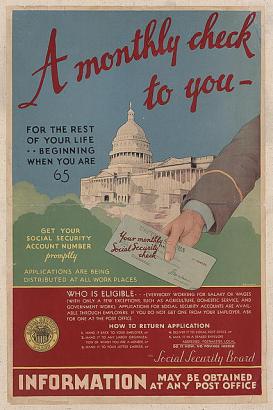

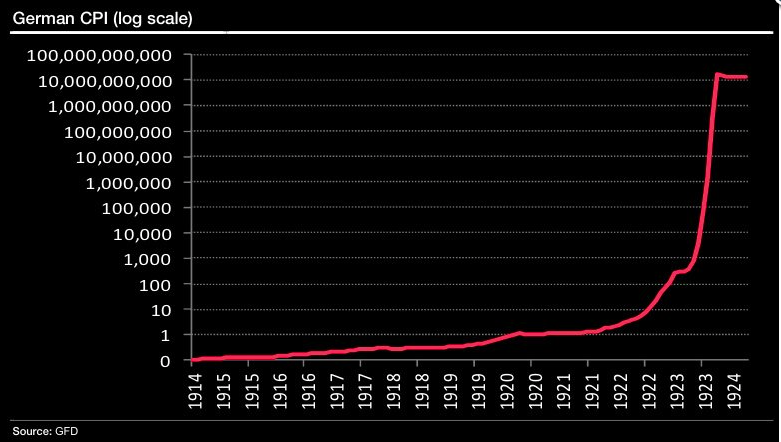 Memories of Weimar still haunt the eurozone today. The European Central Bank, widely considered to be the only institution with the firepower to stem the euro crisis, is somewhat restrained by the legacy of the German Bundesbank.
  Coinage is imprinted gold or silver, by which the prices of things bought and sold are reckoned according to the regulations of any State or its ruler. Therefore money is, as it were, a common measure of values. That which ought to be a measure, however, must always preserve a fixed and constant standard. Otherwise, public order is necessarily disturbed, with buyers and sellers being cheated in many ways, just as if the yard, bushel, or pound did not maintain an invariable magnitude. Hence this measure is in my opinion the coin’s face value. Although this is based on the metal’s purity, nevertheless intrinsic value must be distinguished from face value. For, the denomination of a coin may exceed its metallic content, and the other way around.
  1. Global fiscal and monetary reflation
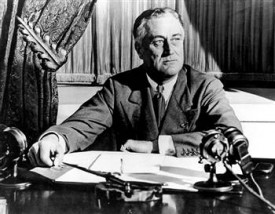 Gold confiscation is a subject that divides gold investors. Some say it won’t happen again and others say it will happen again. The one thing they tend to agree on is that they don’t want it to happen again.
 What is sound money?
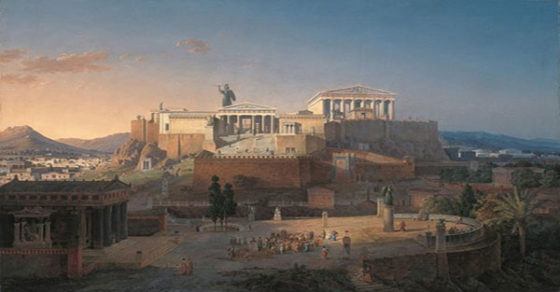 In the year 440 BC, more than two decades into the reign of Pericles, an audit of treasury in Athens showed a massive surplus of more than 9700 “talents”.