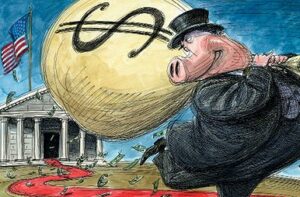
…The Wall Street Ponzi Scheme Called Fractional Reserve Banking
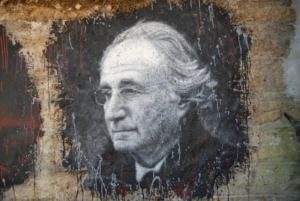
He Madeoff with da Monee!
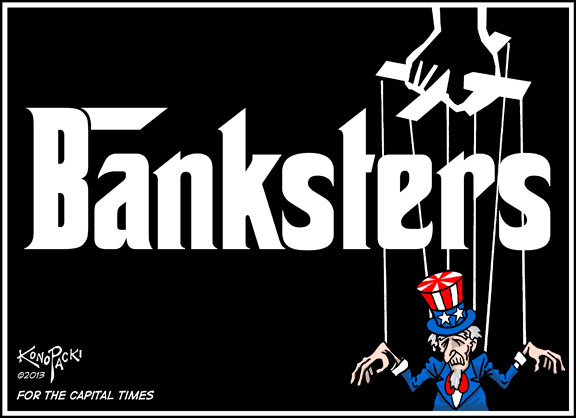
December 12, 2019 ~ Bernie Madoff showed us how it was done: you induce many investors to invest their money, promising steady above-market returns; and you deliver – at least on paper. When your clients check their accounts, they see that their investments have indeed increased by the promised amount. Anyone who opts to pull out of the game is paid promptly and in full. You can afford to pay because most players stay in, and new players are constantly coming in to replace those who drop out. The players who drop out are simply paid with the money coming in from new recruits. The scheme works until the market turns and many players want their money back at once. Then it’s game over: you have to admit that you don’t have the funds, and you are probably looking at jail time. Continue reading
 If you’re thinking about withdrawing $10,000 in cash from your checking account to play blackjack during your week-long trip to Las Vegas, you might want to know what happens when you do.
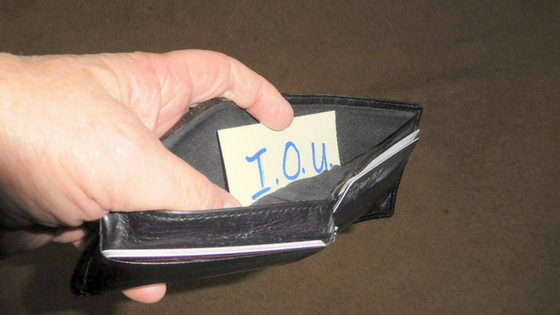 The savings nest eggs that people built up during the COVID-19 pandemic are all but gone, according to new research from the JPMorgan Chase Institute. As savings dwindle, consumers are becoming more vulnerable to financial shocks, which could lead to lower spending and higher debt defaults.
  1. Don’t buy it because you need to make money; buy it because you need to protect the money you already have.
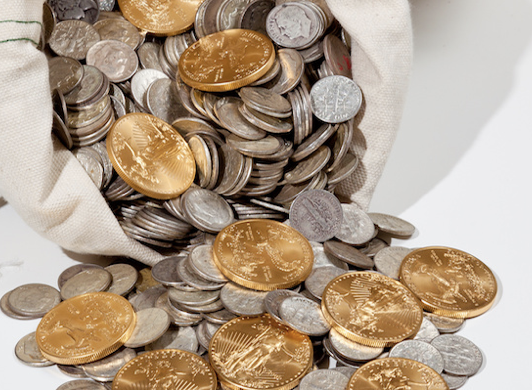
 Bullion gold coins will always have value to your fellow Americans, while paper dollars have less and less. As the dollar declines, the price of gold and silver will continue to rise, reflecting the stable purchasing power of the precious metals. What’s more, in a volatile environment, bullion will carry a premium for being reliable and widely accepted money – just as the US dollar does now.
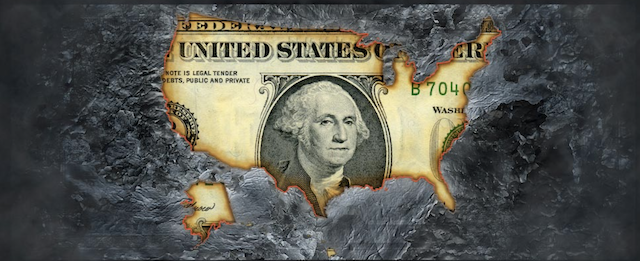 Global money supply has soared by $20.6 trillion since 2019, according to Bloomberg.
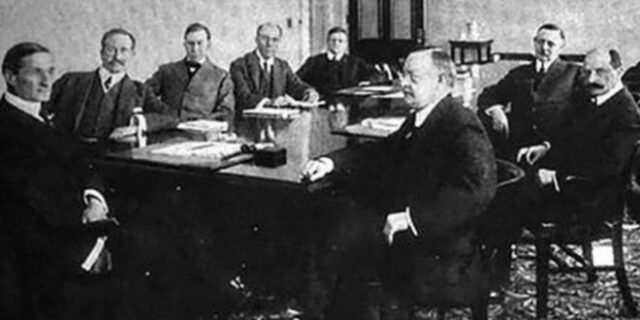 Companies under Rockefeller control include Exxon Mobil, Chevron Texaco, BP Amoco, Marathon Oil, Freeport McMoran, Quaker Oats, ASARCO, United, Delta, Northwest, ITT, International Harvester, Xerox, Boeing, Westinghouse, Hewlett-Packard, Honeywell, International Paper, Pfizer, Motorola, Monsanto, Union Carbide and General Foods.