 Introduction ~ What you are about to read is one of the most interesting commentaries by Murray N. Rothbard that I have been priviledged to read AND to share read – however – what I am posting this evening – is merely an earlier commentary to what would follow some years later – and is ALL a profound bit of history – as relates to economics – including gold and the destruction of economics around the world.
But what we are publishing – is merely his introduction of the entire story, and was written and published by Rothbard in 1991 and was followed up some years later. Stay tuned my friends – as soon you will have access to the rest of the story. ~ Jeffrey Bennett, Editor
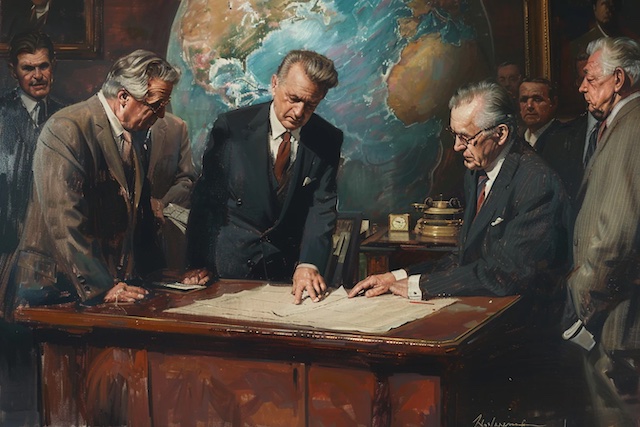 When this essay was published, America was in the midst of the Bretton Woods system, a Keynesian international monetary system that had been foisted upon the world by the United States and British governments in 1945. The Bretton Woods system was an international dollar standard masquerading as a “gold standard,” in order to lend the well-deserved prestige of the world’s oldest and most stable money, gold, to the increasingly inflated and depreciated dollar. But this post-World War II system was only a grotesque parody of a gold standard. Continue reading
 Debt.com’s 2024 budgeting survey of 1,000 Americans shows a mixed financial picture. While more people are budgeting and finding it beneficial to stay out of debt, the number of individuals living paycheck to paycheck has risen 10% over the past two years.
  According to some “experts,” there is an urgent need to remove cash from the economy. It is held that cash provides support to the “shadow economy” and permits tax evasion. Another justification for its removal is that, in times of economic shocks, which push the economy into a recession, the run for cash exacerbates the downturn—it becomes a factor contributing to economic instability. Moreover, it is argued that, in the modern world, most transactions can be settled by means of electronic funds transfer. Money in the modern world is allegedly an abstraction.
  While our government currently has no problem with making fiscally irresponsible decisions, when it finally does come around to deciding that “you know what, pennies aren’t worth it” – or any other form of cash for that matter – there will be nobody that will argue against them. – Aden Tate
 Over eight hundred years ago, in what is now northwestern China, the Uyghur people – long before they were carted off to internment camps by the Communist Party – ruled their own independent kingdom, known as Qocho.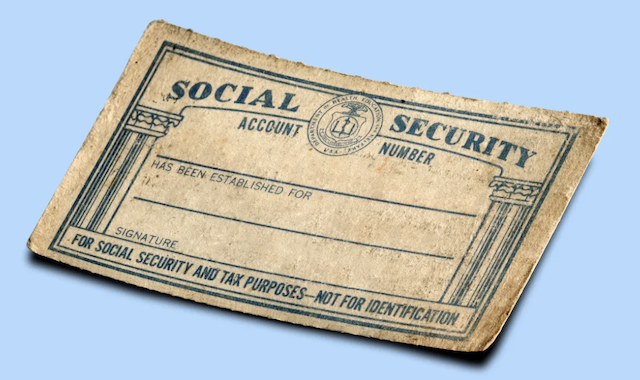
 Thousands of books have been written on personal finance, financial planning, investments, debt management, and the topic of money in general.
 With a fickle stock market and broader economic uncertainty around the globe, Howard and Heather Short were looking for a safe harbor for their savings and financial stability.
 Over a century ago the United States Congress approved a deceitfully promoted Federal Reserve Central Bank, which then established a new debt-based monetary system. Its concept of creating and introducing ever more currency into a country which had little debt, initially worked well to create economic stimulus at the time, and currency available to participate in WWI and WWII.