“Long before we wake up from our dream of prosperity through an inflated currency, our gold, which alone could have kept us from catastrophe, will have vanished and no rate of interest will tempt it to return.” ~ U.S. Senator Elihu Root (R-NY) 1913

Puck cartoon of Senator Nelson Aldrich circa 1906
October 17, 2019 ~ The Federal Reserve Bank has been a bone of contention, since our nation’s founding. This rogue agency has proven itself to be the evil entity that many early American leaders believed it to be, but not one word on the Fed was forthcoming, when Congresswoman Maxine Waters announced the schedule of the House Financial Services Committee on October 3rd, after the Federal Reserve Bank started transferring billions of dollars into the Repurchasing Market on September 17th. This activated its proposal to hand seventy-five billion dollars a day to unnamed banks on Wall Street, until November 4th, the first such intervention since the 2008 economic collapse and the bailout of financial organizations deemed “too big to fail”; and, it is just one more criminal act in a long line of abuses committed against all America. Continue reading
 August 12, 2015 ~ The conventional wisdom is that no other currency in the world can support the global bond market save the US$ Toilet Paper Money. Therefore, we cannot do without the US$ toilet paper money!
 Parents and caregivers raising a child with disabilities often carry the emotional challenges of caregiving alongside constant decisions about safety, schooling, and services. The core tension is simple and heavy: parental incapacity or death can transfer responsibility overnight, and without special needs child care planning, critical supports can be delayed, disputed, or lost. Long-term care provisions and future legal planning are not about expecting the worst; they are about reducing uncertainty and protecting a child’s day-to-day stability. Understanding the special needs guardianship importance is a first step toward making care enforceable rather than informal.
 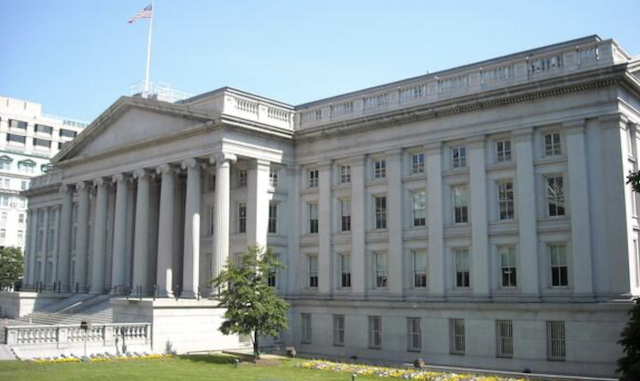 The United States recorded a $1.373 trillion federal budget deficit during the first nine months of fiscal year 2026, averaging approximately $153 billion in new borrowing each month. Revenue climbed to $4.151 trillion, but federal spending rose faster, reaching $5.523 trillion between October and June.