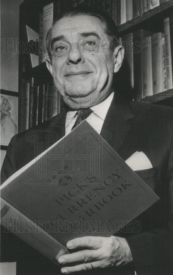
Franz Pick
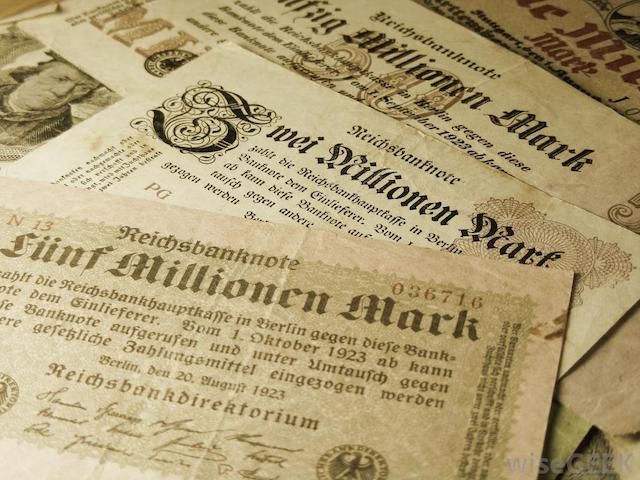
By now, anyone with half an inkling of curiosity about why prices and values don’t add up has traced the divide back to the money itself. It’s not hard to see.
Asset prices, like houses and the major stock market indexes, have lost all visible connection with the underlying economy. However, wage growth has stagnated; over the last 40 years low level wages have only increased by $0.32 per hour in real inflation adjusted terms. Stocks and residential real estate, at the same time, have gone to the moon.
Even with the NASDAQ’s 11.2 percent decline from its all-time closing high set on November 19, the index is still up over 110 percent from its March 2020 low. What will it take for the NASDAQ to crash back to earth? Continue reading
 According to recently released data by the World Gold Council (WGC), as of September 2021, the total amount of gold held in reserves by central banks globally exceeded 36,000 tons for the first time since 1990. This 31-year record was the result of the world’s central banks adding more that 4,500 tons of the precious metal to their holdings over the last decade and it provides ample support for the investment case for gold, in both directly performance-related terms, but also from a big picture perspective.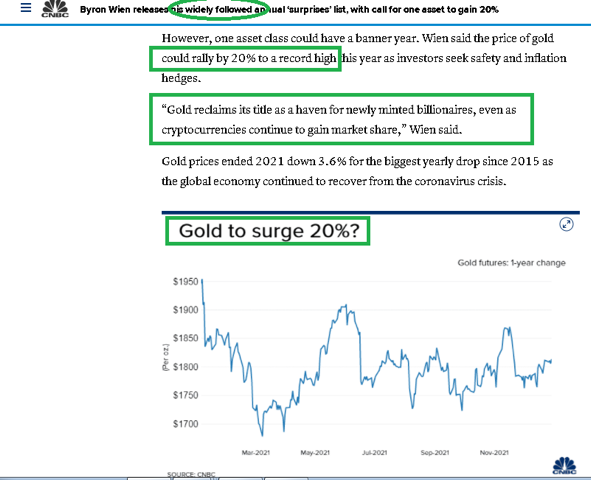

 By the end of 1925, Montagu Norman and the British Establishment were seemingly monarch of all they surveyed. Backed by Strong and the Morgans, the British had had everything their way: they had saddled the world with a new form of pseudo gold standard, with other nations pyramiding money and credit on top of British sterling, while the United States, though still on a gold-coin standard, was ready to help Britain avoid suffering the consequences of abandoning the discipline of the classical gold standard.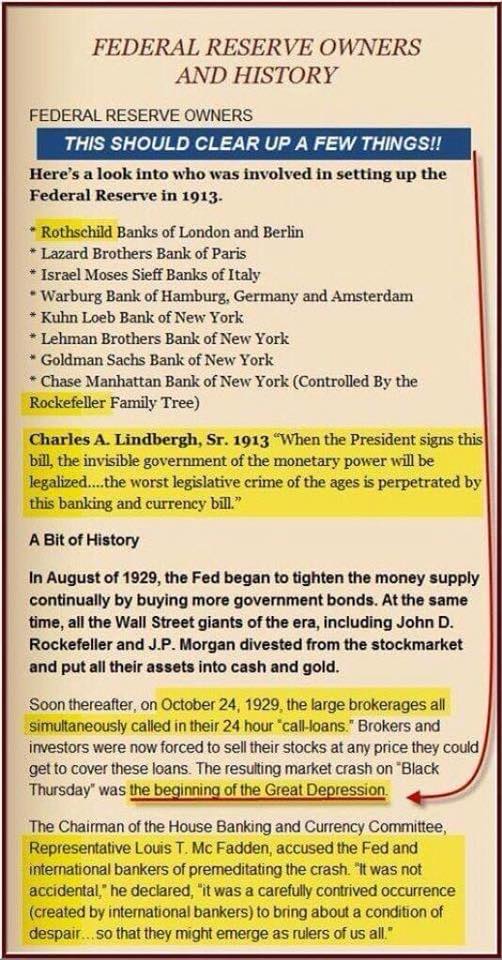
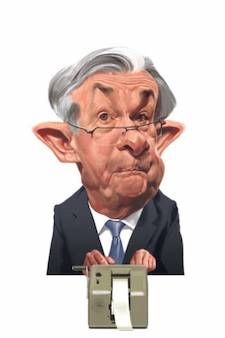 Federal Reserve Chairman Jerome Powell gave the market exactly what it wanted on Wednesday–although that might not be exactly what the economy needs. The Dow Jones Industrial Average was down about 44 points ahead of the Fed announcement; and ended the day up by 380 points, surging as Powell’s press conference reassured investors that although the Fed was pivoting toward a tighter stance, it was not going to tighten too much.
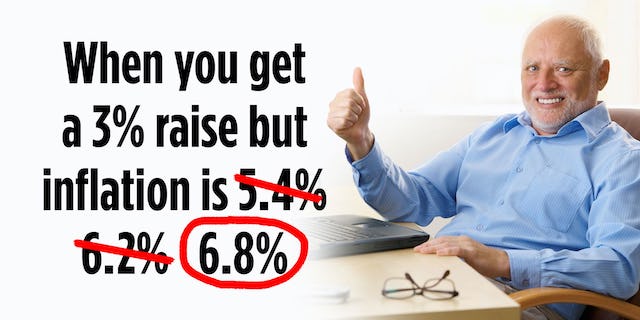 “We’re going to win in 2022,” Joe Biden promised the Democratic National Committee at its holiday party. “I wanna tell my Republican friends: Get ready, pal! You’re gonna [be] in for a problem!”
 We’re told by experts that the Fed is our number one inflation fighter, our protector against economic meltdown. Certainly, any person who cares about our country would accord it only the highest respect. But Preston Mathews wants to destroy the Fed. And he’s apparently surrendered everything — including the woman he loves — to do so. Who is this renegade who wishes to bring back the dark days of despair, as his critics charge? He’s the Fed’s top gun, the lord of interest rates . . . the chairman of the Federal Reserve.
  What’s going on?