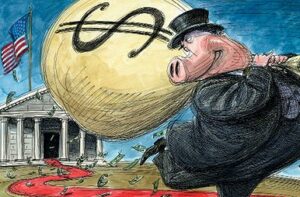
Our nation and people have experienced higher inflation in past years, than we are currently experiencing, but the difference today is our federal government rests in the hands of America’s radicals who are acting with purpose and intent to destroy capitalism and the republic itself, and the 6.2 percent official number is a deception at best.
We’ve never had an administration similar to the Biden regime that is so willing to stoke the flames of continued and growing inflation by advancing and promoting massive infrastructure bills that are essentially Marxist-Maoist social-engineering programs, along with other terrible policies, aimed at making the American people subjects to future totalitarian regimes, rather than free people who command the government. Continue reading
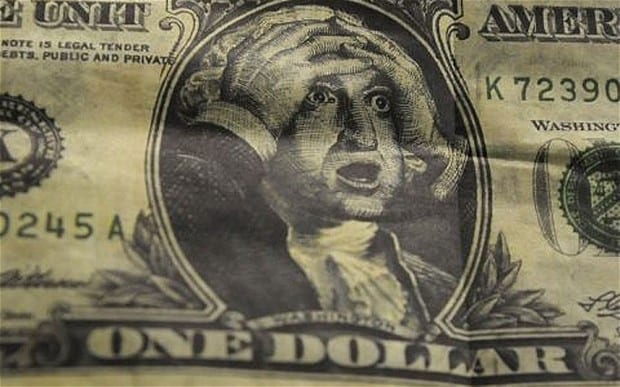
 This week, the Biden administration received just the latest slap in the face from cruel reality: An economic report showing just 194,000 jobs added in the month of September, short of the 500,000 jobs forecast by most economists. The unemployment rate dived to 4.8% from 5.2% – not as a result of job gains, but as a result of more and more Americans dumping out of the work force. Meanwhile, inflation continued to pick up steam, with domestic labor shortages exacerbating supply-chain bottlenecks.
  For the past year now, I have been writing about the importance of not only avoiding group think and greatly increasing one’s ability to think critically but also of the necessity to get one’s finances in order. These two achievements are inextricably linked and cannot be separated from one another. However, my observations, over the last 18-months, of blind compliance of the masses to tyrannical lockdown mandates issued all over the world, but specifically to tyranny of an elevated nature in the Pacific Rim nations, has convinced me that very few among us, ever spend a single minute per month cultivating the ability to think clearly, reason intellectually, and to formulate conclusions based upon facts. This ability will be essential to financial survival in the next few years.


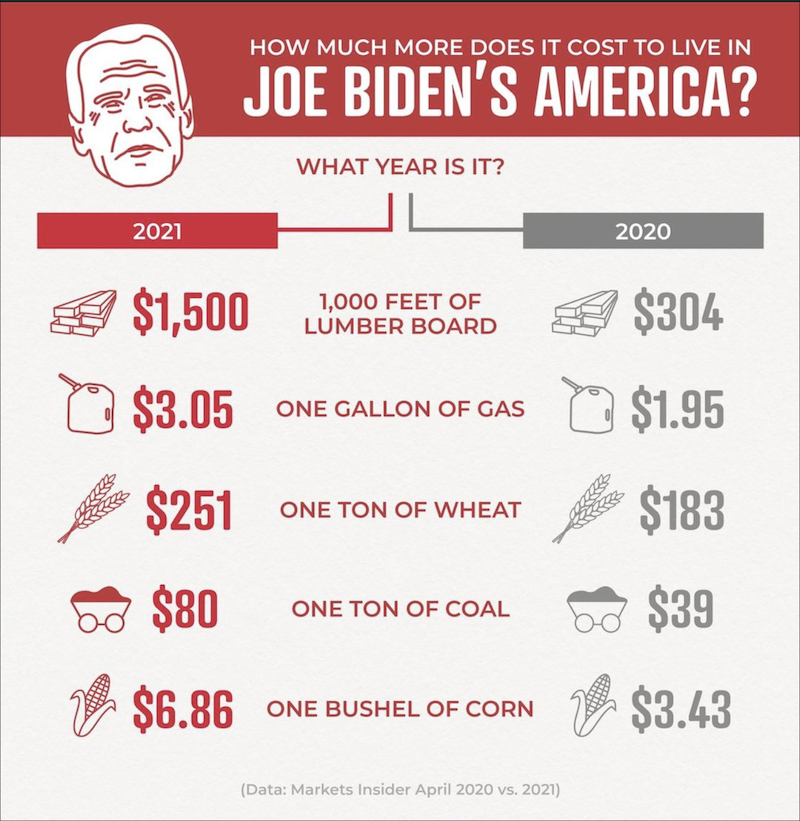

 Remarks in Congress: AN ASTOUNDING EXPOSURE