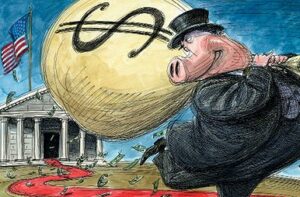
Prices are up 7.5% since Scranton Joe took the helm, and if he has his way they’ll go even higher.
 “We’re in a situation now where, uh, um, you know, you should have peace of mind.” ~ Joe Biden on inflation
We don’t know about you, dear reader, but we absolutely do not have peace of mind knowing that everything we buy — if we can find it — costs significantly more than when Biden took office. Heck, everything costs a lot more than when he dismissively asserted last July that “no serious economist” believed all these price increases were anything but “temporary,” all while bragging that he’d saved you 16 cents on a cookout. Continue reading
 One of the more famous ethologists in recent decades was John B. Calhoun, best known for his mouse experiments in the 1960s. To what extent do the mouse utopia lessons apply to humans?
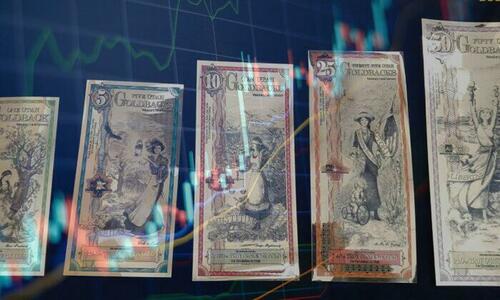 Modern currencies such as Bitcoin expect to find success in a more technological world, but a new currency known as Goldbacks might corner the post-apocalyptic currency market.

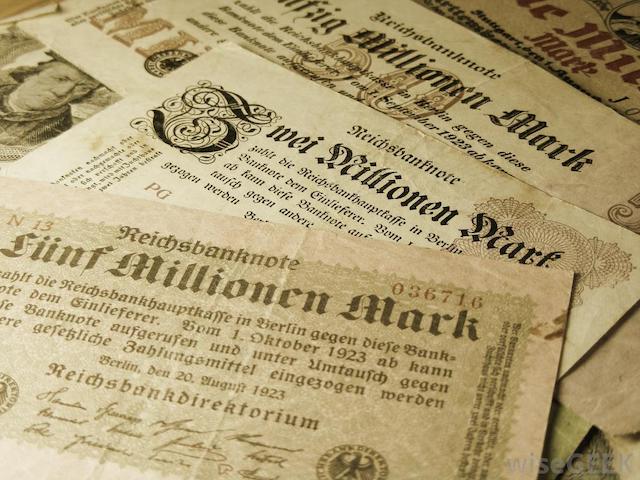
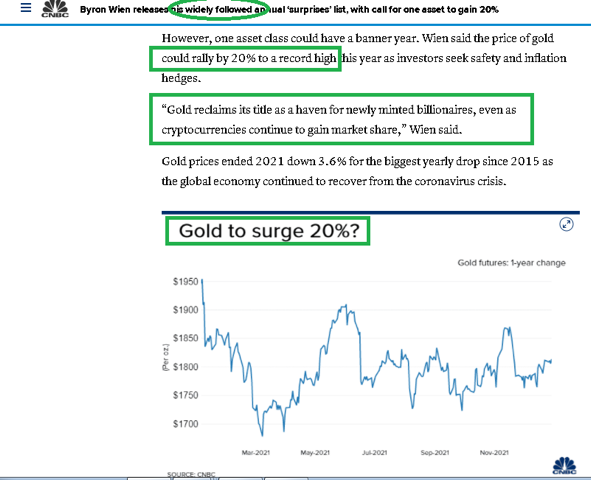
 According to recently released data by the World Gold Council (WGC), as of September 2021, the total amount of gold held in reserves by central banks globally exceeded 36,000 tons for the first time since 1990. This 31-year record was the result of the world’s central banks adding more that 4,500 tons of the precious metal to their holdings over the last decade and it provides ample support for the investment case for gold, in both directly performance-related terms, but also from a big picture perspective.

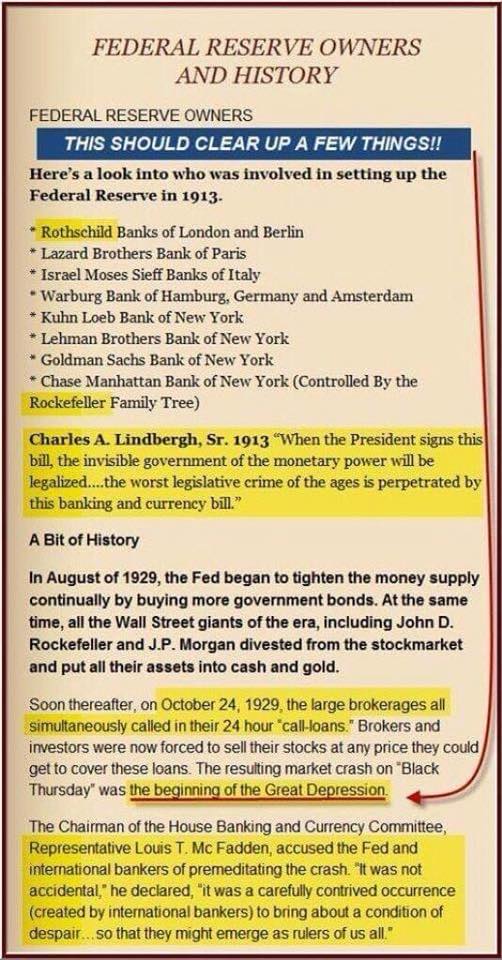
 By the end of 1925, Montagu Norman and the British Establishment were seemingly monarch of all they surveyed. Backed by Strong and the Morgans, the British had had everything their way: they had saddled the world with a new form of pseudo gold standard, with other nations pyramiding money and credit on top of British sterling, while the United States, though still on a gold-coin standard, was ready to help Britain avoid suffering the consequences of abandoning the discipline of the classical gold standard.
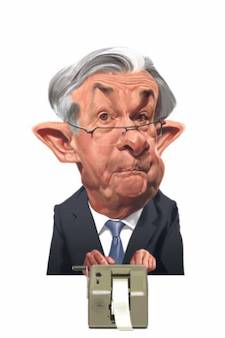 Federal Reserve Chairman Jerome Powell gave the market exactly what it wanted on Wednesday–although that might not be exactly what the economy needs. The Dow Jones Industrial Average was down about 44 points ahead of the Fed announcement; and ended the day up by 380 points, surging as Powell’s press conference reassured investors that although the Fed was pivoting toward a tighter stance, it was not going to tighten too much.